Understanding Holish: A Modern Sans Serif Font for Contemporary Design
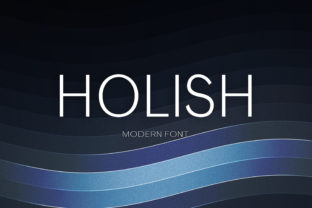
In the ever-evolving world of digital design, typography plays a crucial role in shaping user experience and visual communication. One font that has recently gained attention for its unique style and modern aesthetic is Holish. As a sans serif typeface, Holish offers a clean, minimalist look that blends well with both digital and print media. Its distinct character design and elegant structure make it an excellent choice for designers looking to add a contemporary touch to their projects.
Holish is not just another sans serif font—it's a statement. Designed with a focus on readability and visual appeal, it balances simplicity with sophistication. The font features subtle curves and sharp angles that create a dynamic contrast, making it stand out while still maintaining a professional appearance. Whether used in branding, web design, or editorial layouts, Holish brings a fresh perspective to typographic choices.
Challenges in Choosing the Right Font
For many designers, selecting the right font can be a complex decision. With so many options available, it's easy to feel overwhelmed by the sheer variety. Factors such as readability, aesthetics, cultural relevance, and technical compatibility all play a role in the decision-making process.
One of the primary challenges is ensuring that the chosen font aligns with the project’s goals. For example, a brand aiming for a modern, tech-forward image may find traditional serif fonts too outdated. On the other hand, a more formal or classic design might require a different approach altogether. This is where Holish steps in, offering a versatile solution that adapts to various contexts without sacrificing its unique identity.
How Holish Addresses These Challenges
Holish was created with versatility in mind. Its clean lines and balanced proportions make it highly readable across different screen sizes and resolutions. This is particularly important for web design, where users access content on a wide range of devices. The font’s open letterforms also contribute to better legibility, especially at smaller sizes.
Additionally, Holish supports multiple languages and character sets, making it suitable for international projects. This feature is especially valuable for businesses or designers working with multilingual audiences. The font’s adaptability allows it to fit seamlessly into diverse design scenarios, from website headers to product packaging and beyond.
Practical Applications of Holish
The practical applications of Holish are vast. Here are a few common use cases:
- Branding: Holish is ideal for logos, taglines, and brand identities that require a modern yet refined look.
- Web Design: Its scalability and clarity make it a great choice for websites, especially those targeting younger or tech-savvy audiences.
- Print Media: From magazines to brochures, Holish adds a contemporary edge to printed materials without compromising readability.
- User Interfaces: In app and software design, Holish enhances usability by providing clear, consistent typography that guides user interaction.
Designers who have implemented Holish in their projects often report improved user engagement and a stronger visual hierarchy. The font’s neutral tone allows it to complement other design elements without overpowering them, creating a cohesive and visually pleasing composition.
Considerations When Using Holish
While Holish is a powerful tool, it’s important to consider a few factors before integrating it into your design:
- Font Weight and Styling: Holish offers several weights and styles, including bold, italic, and condensed variants. Experimenting with these can help you achieve the desired visual effect.
- Color Pairing: Since Holish is a sans serif font, it works best with contrasting colors that enhance its clarity and impact. Avoid using overly bright or clashing color combinations.
- Accessibility: Ensure that Holish is used in a way that maintains readability for all users, including those with visual impairments. Always test your designs across different platforms and devices.
Ultimately, the success of Holish depends on how well it aligns with the specific needs of your project. By carefully considering your goals, audience, and design context, you can maximize its potential and create a more engaging user experience.
Who Benefits Most from Using Holish?
Holish is particularly beneficial for designers who prioritize modernity, simplicity, and functionality. It appeals to professionals in fields such as graphic design, web development, and branding. However, its versatility means that even non-designers can benefit from using Holish in their creative work.
For instance, small business owners looking to revamp their website or social media presence can use Holish to create a more professional and visually appealing brand image. Similarly, students or hobbyists exploring typography can experiment with Holish to develop their skills and creativity.
Regardless of your background or experience level, Holish offers a flexible and stylish option that can elevate your design projects. Its ease of use, combined with its distinctive style, makes it a valuable asset for anyone looking to make a lasting impression through typography.