Coreal: A Stylized Sans Serif Font for Modern Design
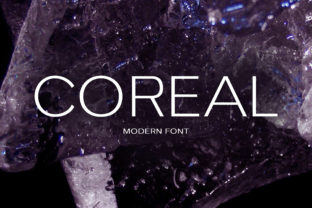
When it comes to typography, the right font can make or break a design. In an era where minimalism and clean aesthetics dominate, Coreal stands out as a modern sans serif font that blends traditional sign painting with contemporary design sensibilities. Inspired by the bold, handcrafted strokes of vintage signage, Coreal offers a fresh take on classic typography, making it ideal for both digital and print projects.
The Essence of Coreal
Coreal is more than just a font—it’s a visual language. Its design draws from the rich history of sign painting, where each letter was meticulously crafted to be legible at a distance and visually striking. This heritage is evident in its clean lines, subtle serifs, and balanced proportions. However, Coreal isn’t stuck in the past; it incorporates modern refinements that ensure it works seamlessly in today’s digital landscape.
The font’s structure is intentionally simple, allowing it to adapt to various contexts without losing its identity. Whether used in branding, website headers, or editorial layouts, Coreal maintains a sense of elegance and clarity. Its versatility makes it a valuable asset for designers looking to create impactful visuals while maintaining a cohesive aesthetic.
Where Does Coreal Fit in the Design Process?
Typography is often one of the final steps in a design project, but choosing the right font should be part of the planning phase. Coreal fits naturally into workflows where visual hierarchy, readability, and style are critical. It can be used before, during, or after the creative process, depending on the project’s needs.
For instance, when designing a brand identity, Coreal might be selected early on to set the tone and ensure consistency across all materials. During the development stage, it can be tested alongside other elements like color schemes and imagery to ensure harmony. Finally, in the execution phase, Coreal can be applied to logos, headlines, and promotional content to reinforce the brand’s visual voice.
Integration with Other Tools and Resources
One of Coreal’s greatest strengths is its compatibility with a wide range of design tools and platforms. From Adobe Creative Suite to Figma and Canva, the font integrates smoothly into existing workflows, making it accessible to both professionals and hobbyists alike.
Designers who work with multiple platforms will appreciate how Coreal maintains its integrity across different mediums. Whether you’re creating a poster, a website, or a social media post, the font’s clean design ensures it looks great everywhere. This cross-platform consistency is especially important for businesses that rely on consistent branding across various touchpoints.
Practical Use Cases for Coreal
Coreal is well-suited for a variety of applications, from personal projects to professional work. Here are a few examples of how it can be used effectively:
- Branding and Logo Design: Coreal’s bold yet refined appearance makes it an excellent choice for logos and brand identities. It adds a touch of sophistication without being too formal.
- Web and Mobile Design: The font’s clean lines and modern feel align perfectly with responsive web design principles. It ensures readability on all screen sizes while maintaining a stylish edge.
- Print and Editorial Work: For magazines, brochures, and book covers, Coreal provides a versatile option that balances tradition with innovation. Its readability at smaller sizes makes it ideal for body text as well.
- Marketing Materials: From email newsletters to social media graphics, Coreal enhances the visual appeal of marketing content without overwhelming the viewer.
- Personal Projects: Whether you’re creating a portfolio, a blog, or a handmade craft, Coreal adds a professional touch to your personal work.
Workflow Tips for Using Coreal
Integrating Coreal into your workflow doesn’t have to be complicated. Here are some practical tips to help you get the most out of this font:
- Start with a Clear Vision: Before selecting any font, consider the overall look and feel you want to achieve. Coreal is best suited for minimalist, modern designs, so ensure it aligns with your project’s goals.
- Test Across Platforms: Always preview your design in different environments to ensure Coreal looks consistent and readable. Pay attention to how it appears on screens, in print, and on various devices.
- Pair Thoughtfully: While Coreal is versatile, it works best when paired with complementary fonts. Consider using a serif or script font for headings or accents to add contrast and interest.
- Use for Key Elements: Reserve Coreal for headlines, titles, and other prominent text elements. This helps maintain its impact while ensuring readability in supporting text.
- Organize Your Assets: Keep track of which projects use Coreal and how it’s applied. This helps with consistency and makes it easier to revisit or reuse in future work.
Factors to Consider When Using Coreal
While Coreal is a powerful tool, there are several factors to keep in mind when incorporating it into your design process:
Preparation: Take time to plan how and where you’ll use Coreal. A well-thought-out approach ensures the font enhances rather than distracts from your design.
Compatibility: Ensure Coreal is available on all platforms and devices you’ll be using. Some fonts may not render correctly if they’re not properly embedded or licensed.
Usability: Always prioritize readability. Even though Coreal has a modern aesthetic, it should never compromise the legibility of your text.
Organization: Keep your design assets organized so you can easily access and apply Coreal in new projects. This helps maintain consistency and efficiency over time.
Efficiency: Choose fonts that fit your workflow and reduce the need for constant adjustments. Coreal’s simplicity makes it efficient for both quick edits and long-term projects.
Consistency: Use Coreal consistently across all materials to build a strong visual identity. This reinforces brand recognition and professionalism.
Quality Control: Regularly review your work to ensure Coreal is being used appropriately. This includes checking for proper spacing, alignment, and overall visual balance.
Long-Term Use: Consider how Coreal will serve your projects over time. A font that supports growth and adaptation is more valuable than one that limits your creative options.
Conclusion
Coreal is more than just a font—it’s a design philosophy. Its blend of tradition and modernity makes it a standout choice for anyone looking to create clean, impactful visuals. Whether you’re a designer, marketer, or hobbyist, integrating Coreal into your workflow can elevate your projects and streamline your creative process.
By understanding how Coreal fits into your broader design strategy, you can harness its potential to enhance your work while maintaining a cohesive and professional look. With thoughtful implementation and consistent use, Coreal becomes a trusted companion in your design toolkit.