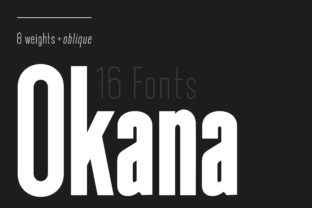
Okana: A Strategic Font for Modern Communication
Okana is a geometric sans serif font family designed with clean lines, modern aesthetics, and functional clarity in mind. Its contemporary appearance makes it a versatile choice for a wide range of design applications, from branding to digital content creation. But Okana isn’t just about looks—it’s about strategy. When used intentionally, Okana can support communication goals, enhance brand positioning, and improve user engagement in ways that align with both creative and practical objectives.
The Strategic Value of Okana
Okana stands out in the world of typography due to its geometric structure and balanced proportions. These characteristics make it highly readable across different screen sizes and mediums, which is essential for today’s multi-platform content strategies. For professionals and creators who rely on clear, impactful visual communication, Okana offers a reliable foundation for conveying messages effectively.
Strategically, Okana supports decision-making by ensuring that text remains legible and visually consistent. In environments where information needs to be processed quickly—such as marketing materials, presentations, or website copy—Okana’s clean design helps maintain focus and clarity. This is particularly valuable for entrepreneurs, educators, and small business owners who need to communicate efficiently while maintaining a professional image.
Supporting Branding and Positioning
Branding is not just about logos or colors; it’s about the entire experience a brand delivers, including the fonts used in its communication. Okana’s modern aesthetic aligns well with brands that aim to appear innovative, trustworthy, and forward-thinking. Its geometric structure evokes a sense of order and precision, which can reinforce a brand’s identity in competitive markets.
When choosing a font like Okana, it’s important to consider how it fits within the broader brand strategy. Does the font reflect the brand’s values? Is it suitable for all touchpoints, from print to digital? Thoughtful use of Okana can help create a cohesive visual language that strengthens brand recognition and customer trust.
Practical Use Cases for Okana
Okana is ideal for a variety of use cases, each requiring a different approach to ensure effectiveness. Here are some strategic scenarios where Okana can make a meaningful impact:
- Marketing Materials: Brochures, flyers, and social media graphics benefit from Okana’s readability and modern appeal. It helps convey professionalism while remaining approachable.
- Digital Content: Websites, landing pages, and email templates often require fonts that look good on screens. Okana’s clean lines and scalability make it an excellent choice for digital content.
- Presentations: In business settings, Okana can enhance the clarity of slides, making complex ideas easier to digest. It supports better audience engagement and retention.
- Academic and Educational Materials: For educators and publishers, Okana’s readability and structured appearance can aid in learning, especially when presenting technical or analytical content.
- Creative Projects: Designers and artists may find Okana useful for creating visual identities that balance creativity with functionality.
Each of these use cases requires careful planning and consideration. Before selecting Okana, it’s crucial to evaluate the specific needs of the project, the target audience, and the overall communication goals. A one-size-fits-all approach rarely works in design, so tailoring the use of Okana to fit the context is key to achieving long-term results.
Decision-Making Guidance
Choosing a font like Okana should be part of a larger strategic process. Start by defining your communication goals and identifying the key messages you want to convey. Then, assess how Okana aligns with those goals. Does it support clarity, professionalism, or innovation? How does it compare to other fonts in terms of accessibility and visual impact?
Consider also the platform and medium where the font will be used. Will it be printed or digital? Will it be viewed on mobile devices or large screens? These factors influence the effectiveness of any font choice. For instance, Okana performs exceptionally well on digital platforms, but its use in print may require additional considerations such as size and contrast.
Another critical factor is consistency. A font like Okana should be used consistently across all brand assets to build recognition and trust. This means applying it thoughtfully in headings, body text, and supporting elements without overusing it to the point of diluting its impact.
Risks of Using Okana Without Clear Goals
While Okana has many advantages, using it without a clear purpose can lead to ineffective communication. One of the primary risks is that the font may become a distraction rather than a tool. If not aligned with the overall message or brand identity, Okana’s modern appearance could feel out of place or even unprofessional.
Additionally, relying on Okana without considering the audience or context can result in poor readability or misinterpretation. For example, using Okana in a more traditional or formal setting may clash with the expected tone, potentially alienating the target audience. This highlights the importance of evaluating how the font fits within the broader communication strategy.
There is also the risk of over-reliance on Okana. While it’s a strong choice for many applications, it’s not always the best option for every situation. Exploring alternatives and being open to experimentation can lead to more nuanced and effective outcomes. The goal is not to follow trends but to choose tools that serve the specific needs of the project.
Planning Tips for Intentional Use
To use Okana strategically, start by outlining your communication goals and identifying the key audiences you’re targeting. Once you have a clear understanding of what you want to achieve, evaluate how Okana can support those objectives. Consider factors such as readability, visual impact, and alignment with brand values.
Next, test Okana in different contexts to see how it performs. Experiment with various sizes, weights, and color combinations to determine the best way to integrate it into your design. Pay attention to how it interacts with other elements, such as images, layouts, and other typography choices.
Finally, document your decisions and rationale. Keeping a record of why Okana was chosen and how it fits into the overall strategy can help ensure consistency and provide a reference for future projects. This practice also supports continuous improvement and learning, which are essential for long-term success.
Conclusion
Okana is more than just a font—it’s a strategic tool that can enhance communication, support branding, and improve user engagement. When used intentionally, it can help professionals and creators achieve their goals more effectively. However, its power lies in thoughtful application rather than random selection. By aligning Okana with specific objectives, audiences, and contexts, users can unlock its full potential and create more meaningful, impactful experiences.