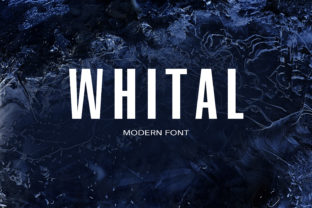
Whital: A Modern Sans Serif Font Inspired by Traditional Sign Painting
When it comes to typography, the right font can make or break a design. In an era where digital content is king, choosing a font that balances aesthetics with functionality is more important than ever. Enter Whital, a sans serif font that draws inspiration from traditional sign painting. With its clean lines and friendly appearance, Whital is not just another typeface—it's a versatile tool for designers looking to add character and clarity to their projects.
The Origins of Whital
Whital was created with a specific vision in mind: to blend the charm of hand-painted signs with the precision of digital typography. While many modern fonts aim for minimalism, Whital takes a different approach by incorporating elements reminiscent of vintage signage. This unique aesthetic makes it stand out in a crowded design landscape.
The name "Whital" itself hints at its origins—combining the word "white" with "italic," but this is more than just a playful naming convention. It reflects the font’s clean, uncluttered look and its ability to convey a sense of simplicity without sacrificing personality.
Key Characteristics of Whital
What sets Whital apart from other sans serif fonts is its thoughtful design. Here are some key characteristics that define it:
- Simple yet expressive: The open shapes and rounded corners give Whital a friendly, approachable feel, making it ideal for both digital and print media.
- High readability: Despite its artistic flair, Whital maintains excellent legibility, even at smaller sizes. This makes it a great choice for body text, labels, and headings.
- Adaptable to various contexts: Whether used for branding, web design, or social media, Whital can be tailored to fit different styles and purposes.
- Modern yet nostalgic: The font bridges the gap between contemporary design trends and the warmth of traditional craftsmanship, offering a timeless appeal.
These qualities make Whital a strong contender for any designer seeking a font that feels both current and classic.
Why Designers Choose Whital
Designers across multiple industries are turning to Whital for its versatility and visual impact. From branding to user interfaces, the font’s ability to convey both professionalism and approachability is a major draw.
In brand identity projects, Whital helps create a cohesive visual language that resonates with audiences. Its friendly tone makes it especially well-suited for businesses targeting younger demographics or those with a casual, creative vibe.
For web developers and UX designers, Whital offers a practical solution for enhancing user experience. The font’s high readability ensures that content remains accessible and engaging, even on mobile devices. Additionally, its clean structure allows for easy customization, making it a flexible option for responsive design.
On social media platforms, Whital shines as a go-to font for captions, headers, and logos. Its simple yet stylish appearance aligns perfectly with the fast-paced, visually driven nature of online content.
How to Use Whital Effectively
While Whital is a powerful tool, using it effectively requires some consideration. Here are a few tips to help you get the most out of this font:
1. Pair wisely: Whital works best when paired with complementary fonts that balance its boldness. For example, pairing it with a serif font like Georgia can create a striking contrast while maintaining readability.
2. Consider the context: Always think about where Whital will be used. While it excels in digital environments, it may not be the best choice for formal documents or legal texts where a more traditional font might be preferred.
3. Test across devices: Ensure that Whital looks consistent across different screen sizes and resolutions. This is especially important for websites and apps where users may view content on various devices.
4. Use it strategically: Don’t overuse Whital. Save it for headlines, call-to-action buttons, or key messaging to maintain visual hierarchy and avoid overwhelming your audience.
By following these guidelines, you can ensure that Whital enhances your designs without overshadowing them.
Whital in Practice: Real-World Applications
Let’s take a closer look at how Whital is being used in real-world scenarios:
Branding: A local café might use Whital for its logo and menu items to create a welcoming, community-focused image. The font’s friendly appearance helps build a connection with customers.
Web Design: A lifestyle blog could incorporate Whital into its header and navigation menus to add a touch of personality while maintaining a clean, modern layout.
Social Media: Influencers and content creators often use Whital in their posts to stand out in a sea of similar content. Its distinctiveness helps their brand remain memorable.
Print Media: Even though Whital is primarily a digital font, it can also be used in printed materials such as posters, flyers, and brochures. Its clear structure ensures that it remains legible in both small and large formats.
These examples illustrate how Whital can be applied across a wide range of industries and mediums, proving its value beyond just aesthetics.
Choosing the Right Font for Your Project
Before settling on Whital, it’s essential to consider what your project needs. Ask yourself questions like:
- What is the target audience?
- What is the purpose of the design?
- Does the font align with the brand’s personality?
- Will it be used in digital or print formats?
- Is readability a priority?
These factors will help you determine whether Whital is the right fit for your specific needs. If you’re looking for a font that combines simplicity with style, Whital is definitely worth exploring.
Ultimately, Whital is more than just a font—it’s a design philosophy. It invites creativity while maintaining clarity, making it a valuable addition to any designer’s toolkit. Whether you're building a brand, designing a website, or creating content for social media, Whital has the potential to elevate your work and leave a lasting impression.