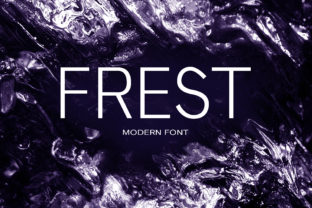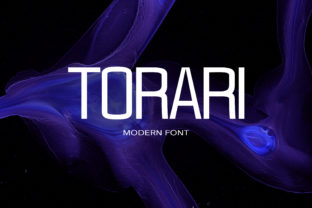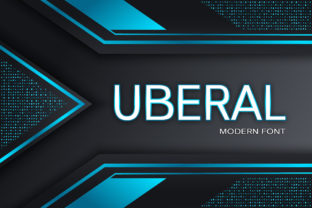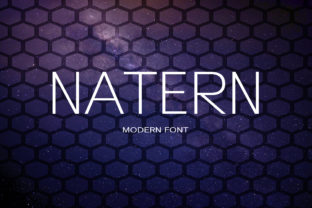
Polith: A Versatile Sans Serif Font for Science Fiction Design
When it comes to typography in science fiction design, the right font can make all the difference. Polith is a sans serif typeface that stands out for its clean lines, modern aesthetic, and adaptability. Designed with a focus on clarity and visual impact, Polith offers a unique blend of elegance and functionality that makes it an excellent choice for a wide range of creative projects.
What Makes Polith Unique?
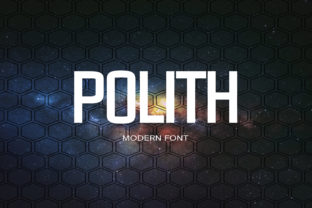
Polith is more than just another sans serif font. It combines geometric precision with subtle organic curves, creating a visual balance that feels both contemporary and timeless. The font’s structure allows for easy readability at various sizes, making it suitable for both digital and print media.
One of the standout features of Polith is its versatility. Whether used in headlines, body text, or branding elements, the font maintains its integrity and legibility. This makes it ideal for applications where visual hierarchy and clarity are essential, such as concept art, poster designs, and UI interfaces.
In terms of style, Polith leans towards a minimalist approach, which aligns well with the futuristic themes often found in science fiction. Its lack of serifs reduces visual clutter, allowing the content to take center stage. This characteristic also makes it a strong contender for use in tech-related branding and digital product design.
Comparing Polith with Similar Options
While there are many high-quality sans serif fonts available, Polith distinguishes itself through its tailored design for creative fields like science fiction. Fonts such as Montserrat, Futura, and Helvetica are widely used and offer strong performance, but they may not provide the same level of thematic resonance or stylistic nuance that Polith brings to the table.
For instance, Montserrat is known for its modern look and strong character shapes, making it popular in web design. However, its rigid structure can sometimes feel less flexible compared to Polith’s more adaptable forms. Similarly, Futura is a classic choice for its geometric shapes, but it lacks the refined detailing that Polith offers, particularly in its lowercase letters and ligatures.
Helvetica remains a go-to option for its neutrality and widespread recognition. While this can be an advantage in certain contexts, it may also lead to overuse and a lack of differentiation in creative projects. Polith, on the other hand, provides a fresh alternative without sacrificing readability or aesthetic appeal.
Strengths and Tradeoffs
Polith excels in situations where a clean, modern look is needed without compromising readability. Its sharp angles and consistent spacing contribute to a professional appearance, making it a great fit for titles, logos, and promotional materials in the sci-fi genre.
However, like any font, Polith has its limitations. Its minimalist design may not be the best choice for more traditional or historical themes. Additionally, while it performs well in most standard applications, it may require some customization when used in highly stylized or experimental design scenarios.
Another consideration is the font’s availability. While Polith is accessible through several platforms and type foundries, it may not be as widely supported as some of its more mainstream counterparts. This could affect its usability in certain software or environments, depending on the user’s workflow.
Best-Fit Situations for Polith
Polith is particularly well-suited for projects that emphasize futurism, technology, and innovation. Its sleek and modern appearance aligns perfectly with these themes, making it an ideal choice for concept art, movie posters, and game UIs.
For example, a sci-fi book cover might benefit from Polith’s clean lines and bold presence, helping to convey a sense of forward-thinking and sophistication. Similarly, a tech startup’s branding could leverage Polith to communicate a vision of progress and cutting-edge design.
It is also worth noting that Polith’s adaptability extends beyond just visual design. Its clear structure and consistent weight make it a good option for data visualization and information graphics, where clarity and precision are paramount.
When to Consider Alternatives
While Polith is a strong choice in many scenarios, there are situations where other fonts may be more appropriate. For instance, if a project requires a more traditional or vintage feel, a serif font like Cinzel or Playfair Display might be better suited. These fonts offer a different kind of elegance that can enhance the overall tone of the design.
Additionally, if a designer is working on a project that demands a high degree of customization or intricate detailing, a more decorative font might be preferable. Polith’s streamlined design, while advantageous in many cases, may not provide the necessary flexibility for highly stylized applications.
Ultimately, the decision to use Polith should be based on the specific needs of the project. Its strengths lie in clarity, modernity, and adaptability, making it an excellent option for those seeking a versatile and visually striking sans serif font.
Conclusion
Polith is a font that balances form and function with remarkable efficiency. Its clean, modern design makes it a compelling choice for science fiction and tech-oriented projects, offering both aesthetic appeal and practical benefits. By understanding its strengths, tradeoffs, and best-fit situations, designers can make informed decisions about whether Polith is the right choice for their next creative endeavor.