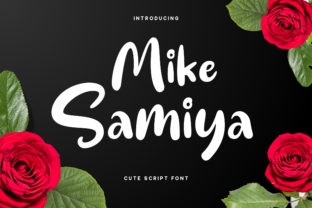
Mike Samiya: A Powerful Script Font for Standout Design
When it comes to choosing a font that can elevate a design from ordinary to extraordinary, Mike Samiya stands out as a compelling option. This script font is known for its cool and powerful aesthetic, offering incredibly authentic lettering that brings a unique visual identity to any project. Whether you're working on branding, packaging, or digital content, understanding what makes Mike Samiya special—and when it might not be the best choice—can help you make an informed decision.
What Is Mike Samiya?
Mike Samiya is a script typeface designed with a focus on elegance and expressiveness. It features fluid, connected strokes that give it a natural, handcrafted feel. The font’s design is rooted in traditional calligraphy, yet it has been refined to suit modern design needs. Its versatility allows it to work across a range of applications, from logos and headlines to body text and decorative elements.
The authenticity of Mike Samiya lies in its ability to mimic the flow of handwritten script without sacrificing readability. Each character is carefully crafted to maintain consistency while allowing for subtle variations that add character and personality to the text.
Why Would Someone Be Interested in Mike Samiya?
There are several reasons why designers and creators might gravitate toward Mike Samiya. One of the most appealing aspects is its visual impact. In a world where typography plays a critical role in capturing attention, a script font like Mike Samiya can make a strong impression. It's particularly effective in designs that aim to convey sophistication, creativity, or a personal touch.
Additionally, Mike Samiya is well-suited for projects that require a sense of movement and dynamism. Its flowing nature makes it ideal for use in invitations, greeting cards, and other materials where a warm, inviting feel is desired. For those looking to create a memorable brand identity, this font can help differentiate their work from the competition.
Another key factor is its adaptability. While it's primarily a script font, Mike Samiya can be used in various ways depending on the context. It can serve as a headline font, a signature style, or even a background element. This flexibility makes it a valuable asset in a designer’s toolkit.
Benefits and Tradeoffs
Like any font, Mike Samiya has its strengths and limitations. One of its greatest advantages is its visual appeal. The way it renders each letter adds a level of artistry that can elevate the overall design. It also offers a high degree of customization, allowing users to adjust spacing, weight, and other typographic elements to suit their needs.
However, there are some tradeoffs to consider. Because it's a script font, Mike Samiya may not always be the best choice for long-form text. Its flowing nature can sometimes make it less legible at smaller sizes or when used in dense blocks of text. This means it's more suited for short phrases, headings, or accents rather than large amounts of body copy.
Another consideration is the font’s compatibility with different platforms and software. While Mike Samiya is generally well-supported, it's important to check if it works seamlessly with your preferred design tools. Additionally, ensuring that the font is properly licensed for commercial use is essential, especially if you plan to use it in print or digital media.
When Is Mike Samiya a Strong Fit?
Mike Samiya shines in situations where a distinctive and expressive visual style is needed. It’s particularly effective in branding projects that aim to communicate creativity, individuality, or a personal connection. For example, it could be used in a logo for a boutique, a wedding invitation, or a creative portfolio website.
It’s also a great choice for promotional materials such as posters, flyers, and social media graphics. The font’s eye-catching appearance can help draw attention and make the message stand out. In digital contexts, Mike Samiya can enhance the visual appeal of websites, email newsletters, or mobile app interfaces when used appropriately.
Moreover, Mike Samiya is well-suited for projects that benefit from a handcrafted look. Whether it’s a handmade book cover, a custom T-shirt design, or a personalized gift, this font can add a touch of authenticity and warmth that resonates with the audience.
When Might Alternatives Be Worth Considering?
While Mike Samiya is a powerful tool, it may not always be the best fit for every project. For instance, if you’re working on a design that requires clarity and readability over aesthetics, a sans-serif or serif font might be more appropriate. These fonts are typically easier to read at smaller sizes and are better suited for long-form content.
Additionally, if you’re looking for a more modern or geometric style, there are many alternative script fonts that offer a fresh take on the genre. Fonts like Playfair Display or Great Vibes provide a different balance between elegance and legibility, making them suitable for a wider range of applications.
It’s also worth considering the target audience. If your design is intended for a professional or formal setting, a more traditional script font might be more appropriate. Conversely, for a casual or playful tone, Mike Samiya could be the perfect match.
Practical Decision-Making Insights
When deciding whether to use Mike Samiya, it’s important to evaluate your specific goals and requirements. Ask yourself: What is the purpose of the design? Who is the target audience? How will the font be used in terms of size, placement, and context?
If the design is meant to make an emotional or artistic statement, Mike Samiya could be an excellent choice. However, if the primary goal is to convey information clearly and efficiently, you may want to explore other options. Always test the font in different scenarios to ensure it meets your needs.
Ultimately, the key to successful typography is understanding how the font aligns with your vision. Mike Samiya offers a unique blend of style and functionality, but it’s up to you to determine whether it fits within your creative and practical objectives.