Mastering the Art of Communication with Maheswari
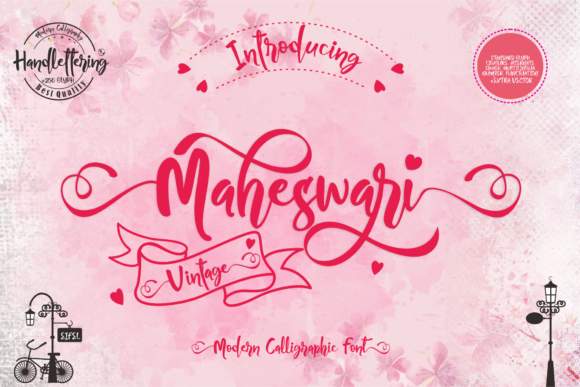
Maheswari is a modern calligraphy font that stands out for its elegant yet bold design. It blends traditional calligraphic elements with contemporary typography, making it versatile enough to suit a wide range of creative and professional applications. Whether you're designing a logo, crafting marketing materials, or enhancing digital content, Maheswari offers a unique aesthetic that can elevate your work without sacrificing readability.
The Unique Style of Maheswari
Maheswari is more than just a font—it's a visual expression. Its flowing curves and sharp contrasts create a sense of movement and energy, which makes it ideal for projects that require both style and substance. Unlike many other calligraphy fonts, Maheswari maintains clarity even in larger sizes, ensuring that your message remains legible and impactful across different mediums.
One of the key strengths of Maheswari is its adaptability. It works well in both print and digital formats, allowing designers to use it consistently across various platforms. This versatility is particularly valuable for professionals who need to maintain brand consistency across multiple channels.
Where Maheswari Fits in the Creative Process
Integrating Maheswari into your workflow depends on the nature of your project. For instance, if you're working on a branding campaign, Maheswari can serve as the primary font for logos, taglines, and promotional materials. Its distinctive style helps establish a memorable identity while maintaining professionalism.
During the design phase, Maheswari can be used to draft mockups, concept visuals, or presentation slides. Its visual appeal can help convey the tone and mood of the project before finalizing the layout. In some cases, using Maheswari early in the process can influence the direction of the entire design, especially when the goal is to create a strong first impression.
After the design is complete, Maheswari continues to play a role in the implementation stage. It can be used in printed materials such as brochures, posters, and signage, or in digital assets like social media posts, email templates, and website headers. The font’s compatibility with various platforms ensures that it remains consistent regardless of where it's applied.
How Maheswari Interacts with Other Tools and Resources
Maheswari is designed to work seamlessly with a variety of design tools and software. Whether you're using Adobe Illustrator, Canva, or Figma, the font integrates smoothly into your workflow without requiring additional setup or configuration. This ease of use is especially beneficial for creators who rely on multiple platforms to manage their projects.
When paired with other design elements, Maheswari enhances the overall composition. For example, combining it with sans-serif fonts can create a balanced look that balances elegance with readability. Similarly, using it alongside minimalist layouts can add a touch of sophistication to otherwise simple designs.
For those who prefer to work digitally, Maheswari supports web-based applications and can be embedded directly into HTML code. This makes it an excellent choice for websites, landing pages, and online portfolios. Its scalability ensures that it looks great at any size, whether you're creating a mobile-friendly interface or a high-resolution banner.
Practical Tips for Using Maheswari Effectively
To get the most out of Maheswari, consider the following practical tips:
- Use it strategically:** Not every project requires a calligraphy font. Save Maheswari for occasions where its unique style adds value, such as branding, invitations, or artistic expressions.
- Test it in context:** Before finalizing your design, preview how Maheswari looks in different environments. Check for legibility, spacing, and alignment to ensure it complements the rest of your design.
- Combine with complementary fonts:** Pair Maheswari with clean, modern fonts to balance its ornate style. This approach is especially effective in print and digital media where readability is essential.
- Optimize for accessibility:** Ensure that Maheswari is used in a way that doesn’t compromise readability for users with visual impairments. Consider providing alternative text options or adjusting contrast levels when necessary.
- Stay organized:** Keep track of where and how you use Maheswari in your workflow. Maintaining a record of its applications can help you refine your usage over time and avoid overuse.
By following these guidelines, you can integrate Maheswari into your creative process in a way that enhances rather than hinders your work.
Real-World Applications of Maheswari
Maheswari has found a place in numerous real-world scenarios, from small business branding to large-scale marketing campaigns. For example, a local boutique might use Maheswari in its logo and packaging to create a distinct brand identity. A digital marketer could incorporate it into social media graphics to stand out in a crowded online space.
Entrepreneurs and freelancers often turn to Maheswari to differentiate their offerings. Its visual impact can make a statement, helping to capture attention and build brand recognition. In educational settings, Maheswari can be used in course materials, presentations, and student projects to enhance engagement and creativity.
For bloggers and content creators, Maheswari can add a personal touch to their work. Whether it's in headlines, quotes, or signature blocks, its unique style can help reinforce their voice and style. This is especially useful for those who want to maintain a cohesive visual identity across their online presence.
Long-Term Use and Consistency
When considering long-term use, it's important to think about how Maheswari fits into your ongoing workflow. If you're running a business or managing a project, consistency is key. Using Maheswari across all relevant materials helps maintain a unified brand image, which is crucial for building trust and recognition.
However, it's also important to evaluate whether Maheswari continues to meet your needs over time. As your projects evolve, so too may your requirements for typography. Regularly reviewing how you use Maheswari can help you identify areas for improvement and ensure that it remains a valuable asset in your toolkit.
Ultimately, the goal is to use Maheswari in a way that supports your objectives without becoming a distraction. By understanding its strengths and limitations, you can make informed decisions about when and how to apply it effectively.