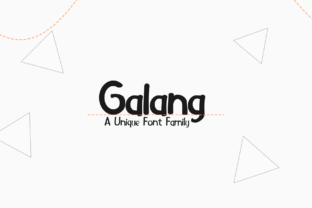
Galang and Galang: A Simple Sans Serif Font with a Cool Vibe
Galang and Galang is more than just a font—it's a design choice that speaks to simplicity, clarity, and a casual yet stylish aesthetic. This sans serif typeface has gained popularity for its clean lines, approachable look, and versatility in both digital and print media. Whether you're designing a website, creating branding materials, or working on a creative project, understanding the purpose and appeal of Galang and Galang can help you make informed decisions about your typography choices.
What Is Galang and Galang?
Galang and Galang is a modern sans serif font that was created with a focus on readability and visual balance. The name itself suggests a sense of rhythm and flow—much like the way the letters are designed to move across the page. The font’s design is inspired by the idea of simplicity without sacrificing style. It's not overly decorative, but it still carries a distinct personality that makes it stand out in a sea of generic fonts.
The font features open letterforms, which contribute to its legibility, especially at smaller sizes. Its geometric structure gives it a contemporary feel, while its rounded edges add a touch of warmth and approachability. These characteristics make it suitable for a wide range of applications, from web design to signage and packaging.
Why Choose Galang and Galang?
- Readability: The clean, open shapes of Galang and Galang ensure that text remains easy to read, even at smaller sizes.
- Modern Aesthetic: Its contemporary look makes it a great fit for websites, apps, and other digital platforms that aim to convey a fresh and innovative vibe.
- Flexibility: The font works well in both digital and print formats, making it a versatile choice for designers and creators.
- Casual Coolness: With its relaxed, almost conversational feel, Galang and Galang brings a sense of fun and informality to any design.
The Role of Typography in Design
Typography plays a crucial role in how we perceive and interact with information. The right font can enhance the message, improve user experience, and even influence emotions. In today’s fast-paced digital world, where attention spans are short, choosing the right typeface can make all the difference between a successful design and one that gets overlooked.
Galang and Galang fits into this landscape by offering a balance between form and function. It’s not just about looking good—it’s about communicating effectively. The font’s simplicity allows it to be used in a variety of contexts without overwhelming the viewer. Whether you’re designing a logo, a social media post, or a product label, Galang and Galang can help you achieve a clean, professional look that feels personal and engaging.
Practical Applications of Galang and Galang
Let’s explore some real-world scenarios where Galang and Galang might be the perfect choice:
- Web Design: For websites that want to maintain a modern, clean aesthetic, Galang and Galang can serve as the primary typeface. Its readability ensures that users can easily consume content without strain.
- Branding: Companies looking to create a friendly, approachable brand image may find Galang and Galang to be an excellent match. It adds a touch of personality without being too flashy.
- Education: In educational materials, clarity is key. Galang and Galang’s clear letterforms make it ideal for textbooks, presentations, and learning resources.
- Marketing: Social media campaigns, posters, and promotional materials can benefit from the font’s casual yet stylish appearance, helping to capture attention quickly.
- Technology: Apps and software interfaces often use sans serif fonts for their clean, minimalistic look. Galang and Galang could be a great option for UI/UX design, especially in environments that prioritize usability over complexity.
Understanding Common Misconceptions
While Galang and Galang is gaining popularity, there are a few common misunderstandings about its use and purpose:
- It’s only for casual use: While its casual tone is one of its defining features, Galang and Galang is also highly functional and can be used in more formal contexts when styled appropriately.
- It lacks character: Some may think that because it’s a sans serif font, it lacks personality. However, its unique proportions and subtle curves give it a distinctive character that sets it apart from other similar fonts.
- It’s not versatile: Many believe that fonts like Galang and Galang are too limited in their applications. In reality, its adaptability makes it a strong contender for a wide range of design projects.
How to Use Galang and Galang Effectively
To get the most out of Galang and Galang, consider the following tips:
- Pair it wisely: While Galang and Galang can work on its own, combining it with complementary fonts (like a serif or script) can add depth and visual interest to your designs.
- Use it in moderation: Like any font, overuse can lead to visual fatigue. Limit its use to key elements such as headlines, logos, or call-to-action buttons.
- Test it in different contexts: Before finalizing your design, test the font in various environments to ensure it maintains its readability and aesthetic appeal.
- Consider the audience: Think about who your design is intended for. A playful font like Galang and Galang may not be appropriate for all audiences, so always consider the context and target demographic.
Conclusion
Galang and Galang is more than just a font—it's a design philosophy that values simplicity, clarity, and style. Its clean lines and casual coolness make it a versatile choice for a wide range of applications, from digital media to print materials. Whether you're a beginner or an experienced designer, understanding the strengths and potential of this font can help you create more effective and engaging designs.
As technology and design continue to evolve, the importance of thoughtful typography will only grow. By choosing fonts like Galang and Galang, you're not just selecting a visual element—you're shaping the way people experience and interact with your content. So next time you're working on a design project, consider whether Galang and Galang might be the perfect addition to your toolkit.