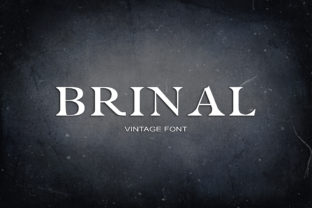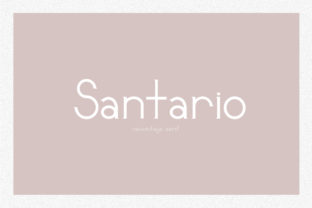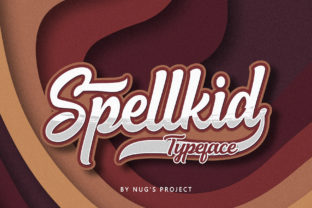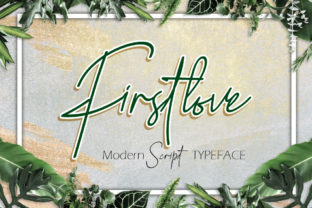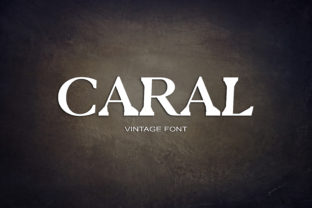
Caral: A Vintage Font That Redefines Retro Typography
In a world where digital design is constantly evolving, there’s something undeniably timeless about the aesthetics of the past. Caral is a font that taps into this nostalgia by drawing inspiration from the bold and vibrant typography of the 1980s. With its retro charm and modern adaptability, Caral stands out as a versatile tool for creators across various industries. Whether you're designing a website, crafting marketing materials, or producing content for print, Caral offers a unique visual identity that can elevate your work without losing its authentic feel.
The Inspiration Behind Caral
Caral is not just another vintage font—it's a carefully crafted blend of retro influences and contemporary design principles. Its roots lie in the typographic styles of the 1980s, an era known for its bold, blocky, and often playful typefaces. These fonts were commonly used in posters, advertisements, and early digital interfaces, creating a distinct visual language that resonates with many today.
What sets Caral apart is how it seamlessly combines these retro elements with a modern, clean aesthetic. The result is a font that feels both nostalgic and fresh, making it suitable for a wide range of applications. From branding to editorial design, Caral can be adapted to fit different contexts while maintaining its signature character.
Where Caral Fits in the Design Process
Caral is more than just a font—it's a design asset that can be integrated at various stages of a project. Whether you're in the planning phase, executing a creative task, or finalizing a product, Caral can play a role in shaping the visual narrative of your work.
During the initial concept development, Caral can help set the tone for a project. Its retro influence can signal a specific mood or era, which is especially useful in branding, storytelling, or themed content creation. For instance, a music festival poster or a retro-themed blog might benefit from the use of Caral to evoke a sense of nostalgia and authenticity.
As the project progresses, Caral can serve as a consistent visual element across all deliverables. It ensures brand recognition and reinforces the desired aesthetic throughout the workflow. This consistency is crucial for maintaining professionalism and clarity in communication, whether you're working on a small business website or a large-scale marketing campaign.
Finally, in the review and refinement stage, Caral can be used to test how well the design holds up under different conditions. Its bold style makes it highly readable, even when scaled down or used in low-resolution environments, which is important for ensuring accessibility and usability across platforms.
How Caral Integrates with Other Tools
One of the strengths of Caral is its compatibility with a wide range of design tools and platforms. Whether you're using Adobe Creative Suite, Canva, Figma, or even Microsoft Word, Caral is designed to work smoothly within these environments.
For designers who rely on code, Caral also supports web-based implementations through CSS and HTML. This means that developers can easily incorporate the font into their websites, ensuring a cohesive look across both digital and print media. The font’s scalability and cross-platform support make it an excellent choice for those who need to maintain consistency across multiple channels.
Additionally, Caral pairs well with other design assets such as color palettes, imagery, and layout structures. Its bold style complements minimalist designs, while its retro appeal works well with more saturated or textured visuals. This flexibility allows it to be used in a variety of workflows, from simple text overlays to complex multi-layered compositions.
Practical Tips for Using Caral Effectively
To get the most out of Caral, it’s important to consider how it fits into your overall design strategy. Here are some practical tips to help you integrate the font into your workflow:
- Start with a clear purpose: Before using Caral, define what you want to achieve with the font. Is it to create a sense of nostalgia, reinforce a brand identity, or simply add visual interest? Having a clear goal will help you choose the right application and avoid overuse.
- Test in context: Always preview Caral in the actual environment where it will be used. This includes checking how it looks on different screen sizes, resolutions, and backgrounds. This step helps ensure that the font remains legible and visually appealing in all scenarios.
- Balance with other fonts: While Caral has a strong personality, it should be used in moderation. Pairing it with complementary fonts can help create a balanced and professional look. For example, using a sans-serif font for body text and Caral for headlines can provide contrast without overwhelming the reader.
- Consider accessibility: Ensure that Caral is used in a way that maintains readability, especially for users with visual impairments. Avoid using the font in small sizes or low-contrast settings where it may become difficult to read.
- Use it consistently: Once you decide to use Caral, apply it consistently across all relevant materials. This helps build brand recognition and reinforces the intended visual message.
By following these guidelines, you can ensure that Caral enhances your design without overshadowing the core message or functionality of your work.
Real-World Use Cases for Caral
Caral’s versatility makes it a valuable asset in a variety of real-world scenarios. Here are a few examples of how it can be applied in different contexts:
Branding: Caral is ideal for creating logos, packaging, and promotional materials that reflect a retro or nostalgic brand identity. Its bold style adds visual weight, making it perfect for eye-catching designs that stand out in a crowded market.
Marketing: In marketing campaigns, Caral can be used to create attention-grabbing headlines, social media graphics, and email templates. Its retro appeal can help connect with audiences who appreciate the aesthetics of the past, while its modern design ensures it remains relevant and accessible.
Education: Educators and content creators can use Caral to develop learning materials that are both engaging and visually distinctive. It can be particularly effective in courses focused on design, history, or media studies, where the visual representation of concepts is key.
Personal Projects: For hobbyists and independent creators, Caral offers a way to express individuality through personal projects. Whether it's a zine, a handmade book, or a digital portfolio, the font can add a unique touch that reflects the creator’s style and vision.
Long-Term Considerations for Using Caral
While Caral is a powerful design tool, it’s important to consider its long-term implications. Fonts like Caral are often associated with specific eras, so it’s essential to evaluate whether they align with your long-term goals and audience expectations.
If you’re working on a project that requires longevity, consider how the font might be perceived in the future. Will it still resonate with your target audience, or could it become dated? Balancing nostalgia with timelessness is key to ensuring that your design remains relevant and effective over time.
Additionally, keep an eye on updates and improvements related to the font. As design trends evolve, new versions of Caral may be released that offer enhanced features, better compatibility, or improved performance. Staying informed about these developments can help you make the most of the font in your ongoing projects.
Ultimately, Caral is more than just a font—it’s a design philosophy that celebrates the past while embracing the present. By understanding how it fits into your workflow and integrating it thoughtfully, you can unlock its full potential and create work that is both meaningful and impactful.