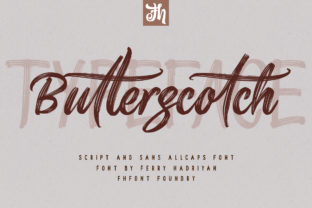
Butterscotch: The Friendly Handwritten Script Font That’s Changing the Game
In a world where digital communication is often dominated by sterile, structured fonts, Butterscotch emerges as a breath of fresh air. This friendly and casual handwritten script font is more than just a typographic choice—it's a statement. With its welcoming nature and warm aesthetic, Butterscotch has captured the attention of designers, marketers, entrepreneurs, and creatives across industries. Whether it's for branding, social media, or creative projects, Butterscotch offers a unique way to connect with audiences in a more personal and human way.
The Rise of Personalized Typography in Digital Communication
As consumers become increasingly discerning about how brands communicate, the demand for personalized and emotionally resonant design elements has grown significantly. Typography plays a crucial role in this shift, and Butterscotch stands out as a font that aligns perfectly with this trend. Unlike traditional sans-serif or serif fonts, which often feel clinical or distant, Butterscotch brings warmth and approachability to the digital space.
This font is particularly relevant in today’s market, where authenticity and relatability are key differentiators. Businesses and creators are looking for ways to stand out in a crowded digital landscape, and typography is one of the most powerful tools at their disposal. Butterscotch helps bridge the gap between professionalism and personality, making it an ideal choice for those who want to convey both credibility and charm.
Why Butterscotch Matters to Creators and Entrepreneurs
For professionals and entrepreneurs, Butterscotch offers more than just visual appeal—it provides a strategic advantage. In marketing and branding, the right font can make all the difference in how a brand is perceived. Butterscotch’s friendly and inviting style is especially effective for businesses that want to project a more human, approachable image.
Consider a small business owner launching a new line of handmade products. Using Butterscotch on their website or packaging can create a sense of authenticity and craftsmanship that resonates with their target audience. Similarly, a freelance graphic designer might use Butterscotch in their portfolio to showcase a more creative and expressive side of their work.
Moreover, Butterscotch is versatile enough to be used in a variety of contexts—from social media posts to email signatures, from branding materials to website headers. Its adaptability makes it a valuable asset for anyone looking to build a consistent and engaging visual identity.
Butterscotch and the Evolution of Digital Design Trends
The popularity of Butterscotch reflects broader trends in the design and technology industries. As users seek more personalized and interactive experiences, there is a growing preference for fonts that evoke emotion and character. This shift is driven by the increasing importance of user experience (UX) and emotional engagement in digital platforms.
Additionally, the rise of mobile-first design has made typography even more critical. On smaller screens, the right font can significantly impact readability and overall user satisfaction. Butterscotch’s legibility and natural flow make it well-suited for mobile environments, ensuring that it remains relevant across devices and platforms.
From a technological standpoint, the availability of high-quality, customizable fonts like Butterscotch has also contributed to its widespread adoption. With tools like Google Fonts and Adobe Fonts, designers can easily integrate these fonts into their projects without sacrificing quality or performance. This accessibility has lowered the barrier to entry for many creators, allowing them to experiment with typography in new and innovative ways.
Practical Applications and Real-World Examples
Let’s look at some real-world examples where Butterscotch has made a meaningful impact:
- Branding: A boutique coffee shop might use Butterscotch in its logo and signage to create a warm, inviting atmosphere that aligns with its brand values.
- Social Media: Influencers and content creators often use Butterscotch in their captions or headers to add a personal touch to their posts.
- Email Marketing: Marketers can leverage Butterscotch in subject lines or call-to-action buttons to grab attention and encourage engagement.
- Website Design: A lifestyle blog might incorporate Butterscotch into its headings or navigation menus to enhance the overall aesthetic and user experience.
These examples illustrate how Butterscotch can be integrated into various aspects of digital and physical design, offering both functional and aesthetic benefits.
What Makes Butterscotch Stand Out?
While there are many beautiful fonts available, Butterscotch distinguishes itself through its unique combination of warmth, clarity, and versatility. Here are a few reasons why it continues to gain traction:
- Approachable Aesthetic: Butterscotch feels like it was written by a friend, making it ideal for creating a sense of trust and familiarity.
- High Legibility: Despite its handwritten style, Butterscotch maintains excellent readability, even at smaller sizes.
- Cross-Platform Compatibility: It works seamlessly across web, print, and mobile, ensuring consistency in branding efforts.
- Emotional Resonance: The font evokes feelings of comfort, creativity, and connection, making it perfect for brands that prioritize human-centric design.
By combining these qualities, Butterscotch becomes more than just a font—it becomes a tool for storytelling and emotional engagement.
Tips for Using Butterscotch Effectively
If you're considering using Butterscotch in your projects, here are a few practical tips to ensure it works best for your needs:
- Use it strategically: While Butterscotch is great for headings and accents, avoid overusing it in body text, where clarity is essential.
- Pair it wisely: Combine Butterscotch with a clean, modern font for a balanced and professional look.
- Test across devices: Ensure that the font renders correctly on all platforms and screen sizes.
- Consider customization: Some platforms allow for custom variations of Butterscotch, so explore options that best match your brand’s voice.
By following these guidelines, you can maximize the impact of Butterscotch while maintaining a cohesive and effective design strategy.
Conclusion: Embracing the Human Touch in Design
Butterscotch is more than just a font—it’s a reflection of the evolving relationship between design and human connection. As we continue to navigate an increasingly digital world, the need for authentic, relatable design solutions has never been greater. Butterscotch meets this need with its friendly, approachable style and versatile application.
Whether you're a marketer looking to build brand loyalty, a creator seeking to express your vision, or a business owner aiming to stand out in a competitive market, Butterscotch offers a powerful way to connect with your audience. By embracing this font, you’re not just choosing a design element—you’re choosing a more human, more meaningful way to communicate.
So next time you're designing a website, crafting a social media post, or developing a brand identity, consider the power of Butterscotch. It might just be the missing piece that brings your message to life.